



Room-by-Room Wall Art Ideas: Choosing the Right Prints for Every Space
Choose Wall Art Around the Room, Not a Rule
Each room asks for something slightly different from wall art. A living-room focal wall, a compact entryway and a work corner do not need the same scale, level of detail or visual energy.
Start with the usable wall area, the furniture nearby and where you will see the artwork most often. Then choose a subject, palette and frame that feel natural in the room instead of trying to follow a fixed styling formula.
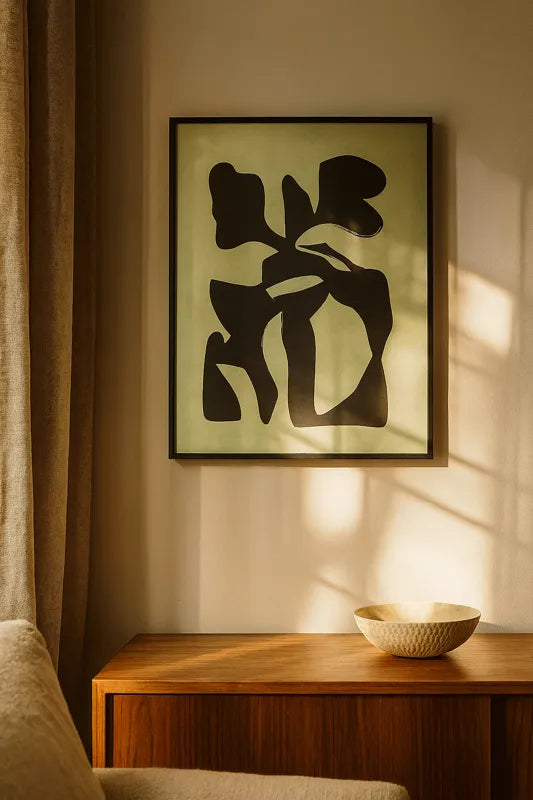
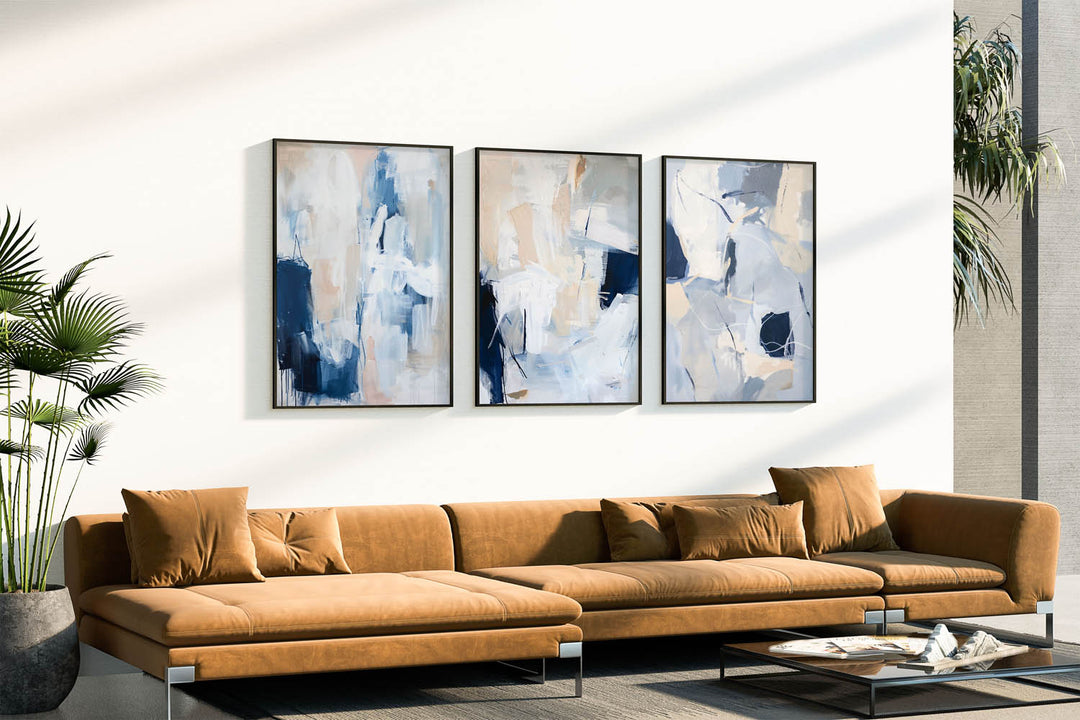
Living Room: Build One Clear Focal Point
A living room often gives you the clearest opportunity to use art as a focal point. Start with the sofa, main seating area or longest uninterrupted wall, then decide whether the room suits one larger work, a matched pair or a planned gallery arrangement.
Use the furniture for scale: Consider the width of the sofa or console below before choosing the overall artwork arrangement.
Check visual density: A detailed work can hold an open wall, while a simpler composition can suit a room with stronger textiles or patterned surfaces.
Test the view: Look from the usual seating position and entry point before hanging.
Explore Art for Living Room, Abstract Art and Gallery Sets.
Bedroom: Choose a Calmer Visual Pace
Bedrooms often benefit from art that feels easy to live with at close range. Start with the mood you want the room to hold, then balance it with the wall above the bed, beside a reading chair or opposite the room’s main view.
Use a horizontal composition above the bed: A single landscape-format work, pair or planned set can relate well to the furniture below.
Consider the existing palette: Repeat one quieter tone from bedding, curtains or a rug, or use gentle contrast against a neutral wall.
Keep the grouping clear: Give the artwork enough breathing room so the wall does not feel crowded.
Browse Art for Bedroom, Minimalist Line Art and Travel Artwork.
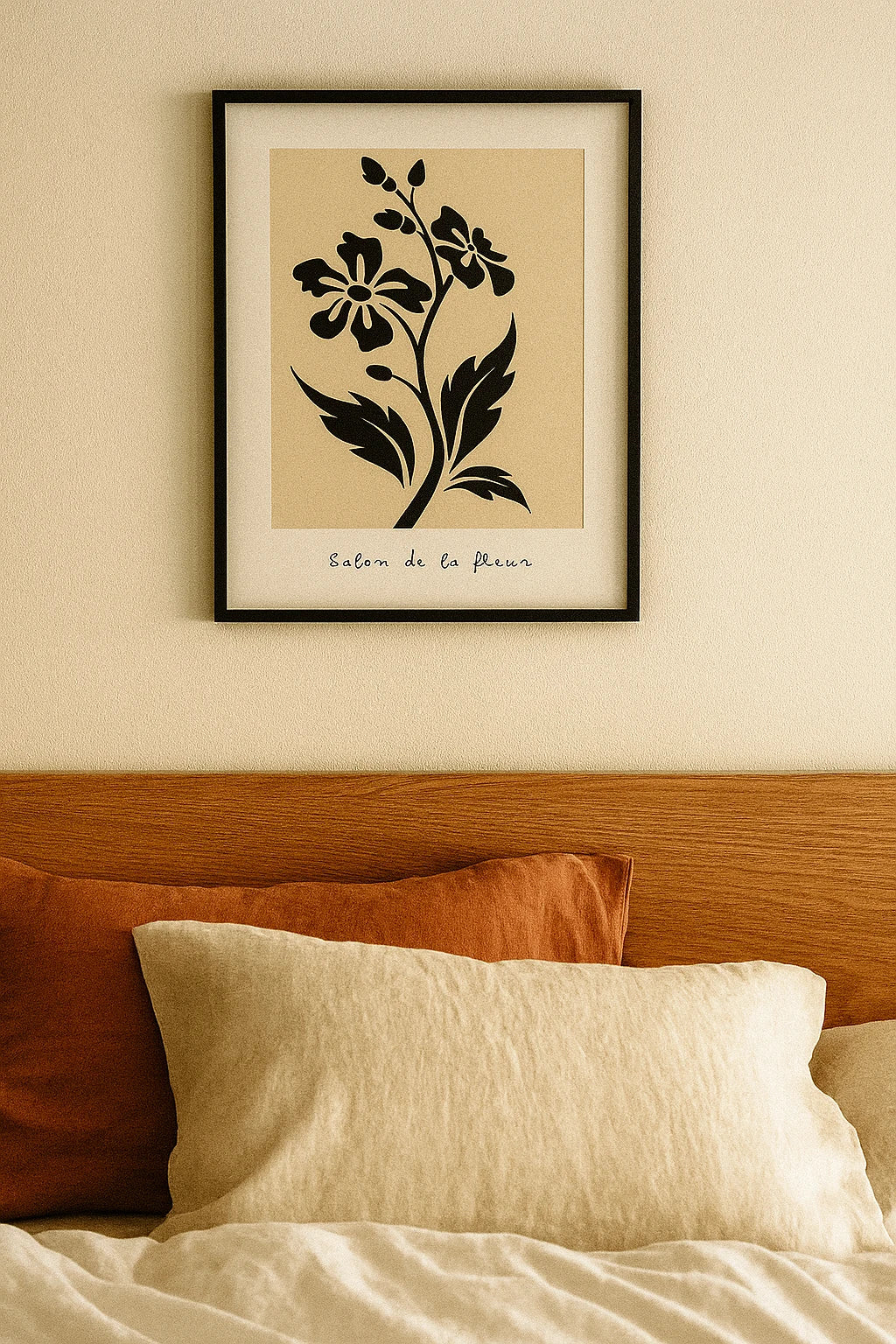
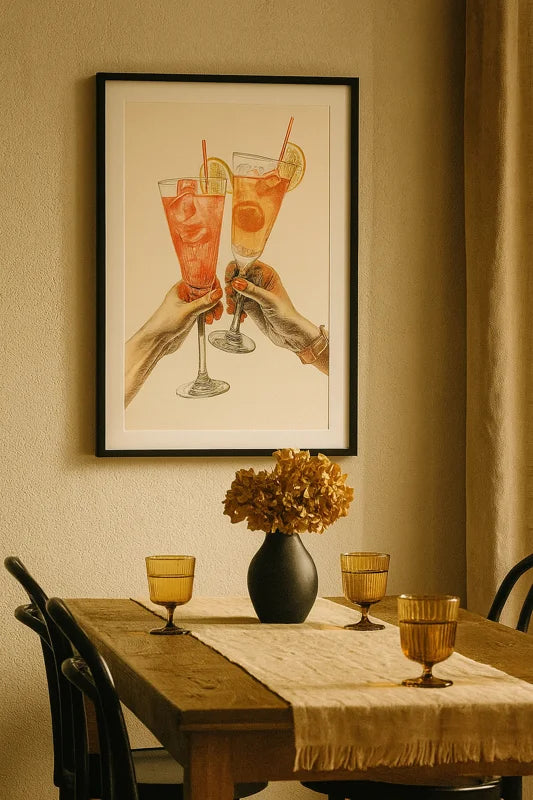
Dining Area: Use Art to Create a Shared Focus
In a dining area, wall art can help give the table a stronger sense of place. Look for a planned composition that reads clearly from seated and standing positions without competing with table settings, lighting or storage.
Use the table as a reference: Choose a single work, pair or small series that feels balanced with its width.
Think about viewing distance: Artwork should remain readable from across the table, not only at close range.
Coordinate rather than match: Relate one tone or frame finish to the room’s materials without forcing an exact colour match.
Explore Gallery Sets, Abstract Art and Indian Art.
Kitchen: Add Character Without Overcrowding the Wall
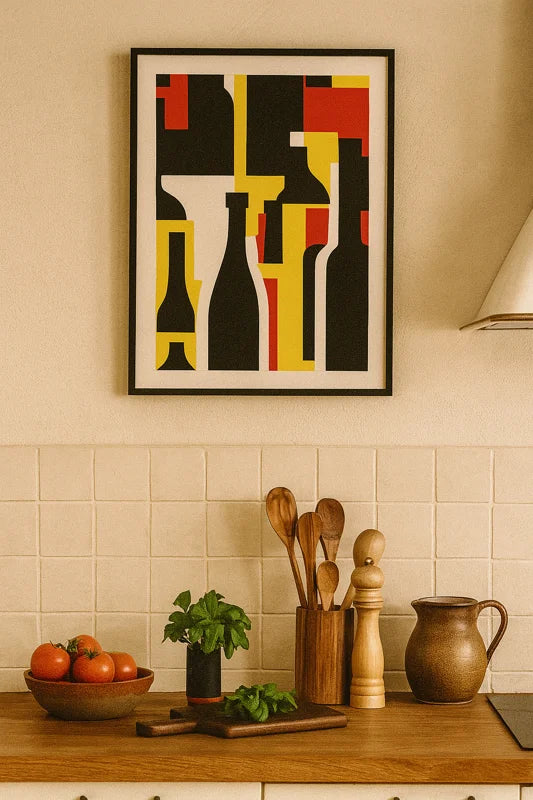
Kitchens can benefit from a smaller art moment in a clear, lower-traffic area. Choose a print that adds personality while staying practical around heat, moisture, splashes and everyday movement.
Choose a protected position: Keep artwork away from direct heat and splash zones.
Use compact formats: Narrow walls, shelves and breakfast corners often suit smaller works or a close pair.
Let the subject support the room: Food, travel, botanical, graphic and colour-led imagery can all work when the scale suits the kitchen.
Browse Art for Kitchen and Travel Artwork.
Bathroom: Keep Materials and Placement Practical
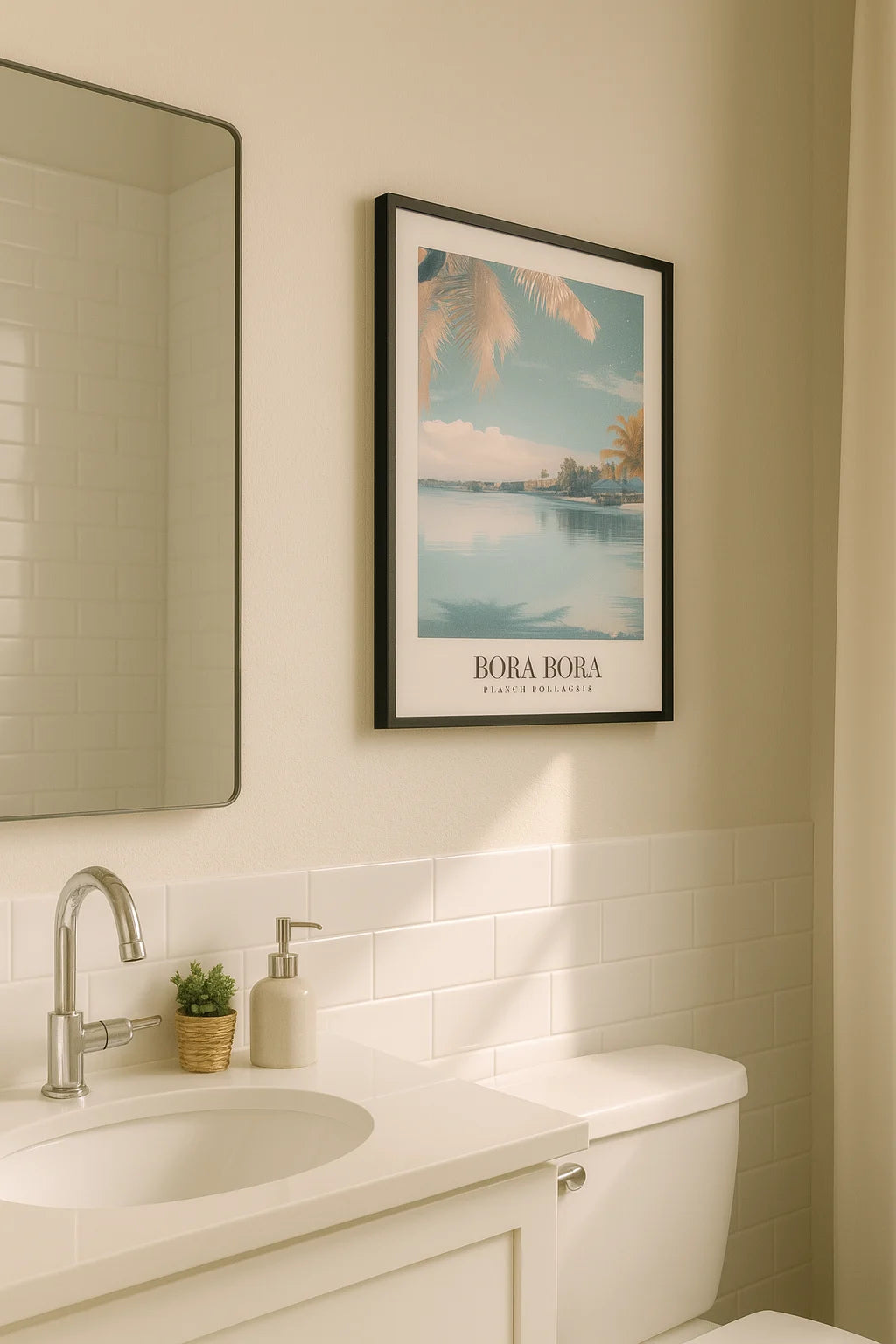
Bathroom art can add character to a smaller space, but placement matters. Choose a wall that stays away from direct water exposure and allows the artwork to sit comfortably beside mirrors, storage and towel rails.
Prioritise protection: Avoid placing prints where steam, splashes or frequent contact can affect the presentation.
Use a smaller visual moment: One compact print or a neat pair can suit a powder room or clear wall beside the mirror.
Choose for the room’s existing finish: A calm neutral work or a bolder graphic piece can both work, depending on tile, light and available wall area.
Explore Abstract Art, Black & White Art, Minimalist Line Art.
Hallway and Entryway: Use Art to Create a First Impression
Entryways and hallways are useful places for art because they create the first visual cue for the rest of the home. Use the wall’s length, clear walking path and sightline from the entrance to plan the display.
Use sequence for longer walls: A related series can add rhythm along a hallway.
Use one clear anchor near the entry: A single work can establish the tone without making the space feel busy.
Keep frames and spacing deliberate: Repeating one finish or placement rule often makes a narrow area feel more organised.
Browse Black & White Art, Travel Artwork and Gallery Sets.
Home Office: Choose Art That Supports Focus
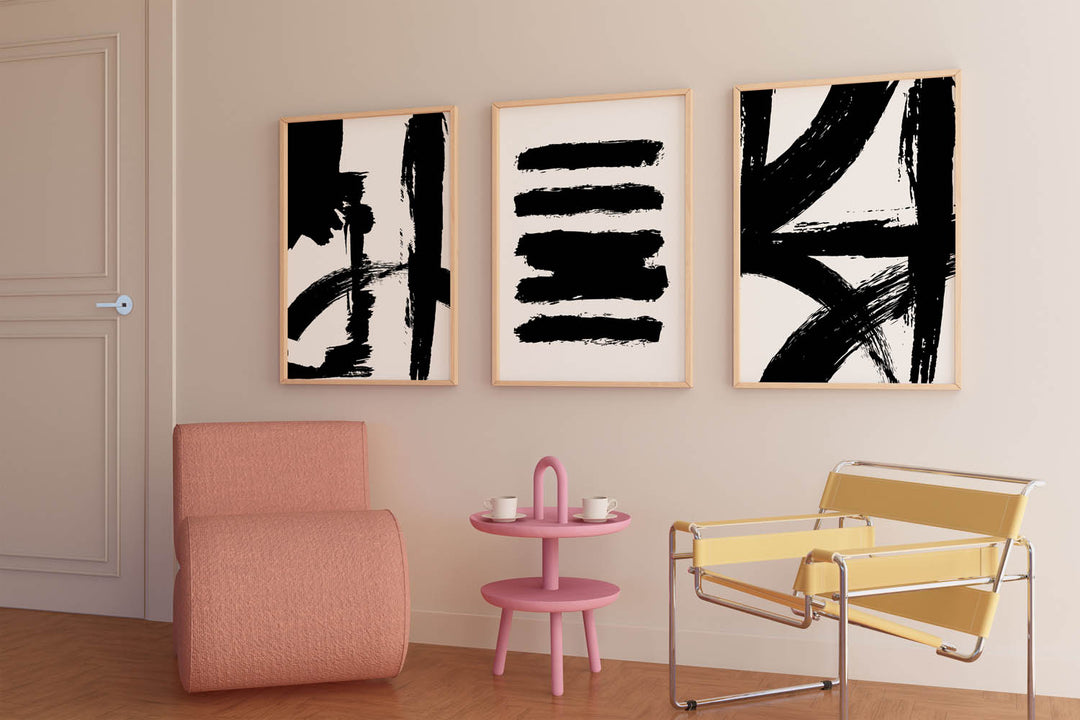
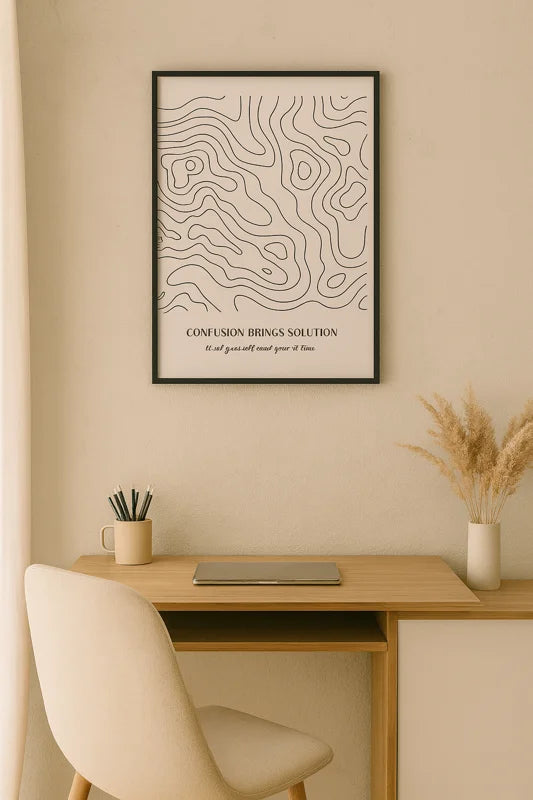
Home-office art should work with the way you use the desk, screen and wall each day. Think about what you see during focused work, video calls and moments when you look away from the screen.
Use one clear sightline: A print opposite or beside the desk can create a visual pause without crowding the work area.
Match visual energy to the room: Choose more graphic work for a clean, minimal room or a quieter composition where the office already has books, equipment and documents.
Consider the camera frame: Check how the display appears in the background during video calls.
Explore Art for Office, Bold & Saturated and Minimalist Line Art.
Honest answers to the questions you’d ask before you bought.
If something’s missing, our number’s at the bottom - we read every WhatsApp and reply within the day.
How do I choose wall art for a room?
Start with the available wall area, furniture, main viewing position and the visual mood you want. Then compare the artwork’s subject, palette, detail and product-page dimensions before deciding.
What size wall art should I choose?
Use the clear wall area and furniture below the artwork as a guide. Test the proposed placement with paper templates so you can judge the overall composition before ordering.
Can I use a gallery wall in a small room?
Yes. A smaller room can still suit a gallery wall when it has a clear arrangement, consistent spacing and enough room around the outer edge of the group. Avoid filling every available surface.
Does wall art need to match the furniture?
No. Exact matching is not necessary. Repeat one quieter colour, material or frame finish, or use deliberate contrast while keeping the room’s overall balance in view.
What kind of art works in a bedroom?
Choose artwork that suits the mood you want at close range. A calmer palette, a simple composition or a considered pair can work well, but the final choice should reflect what you want to see every day.
How do I choose artwork for a home office?
Choose artwork according to your desk layout, screen position and everyday sightlines. Consider how it looks in the room, on video calls and from the place where you work most often.
Explore Wall Art by Room and Visual Direction
Start with the room you are styling, then compare the artwork’s scale, palette and level of detail with the space around it.
Explore Art for Living Room, Art for Bedroom, Art for Kitchen, Art for Office and Gallery Sets.
